
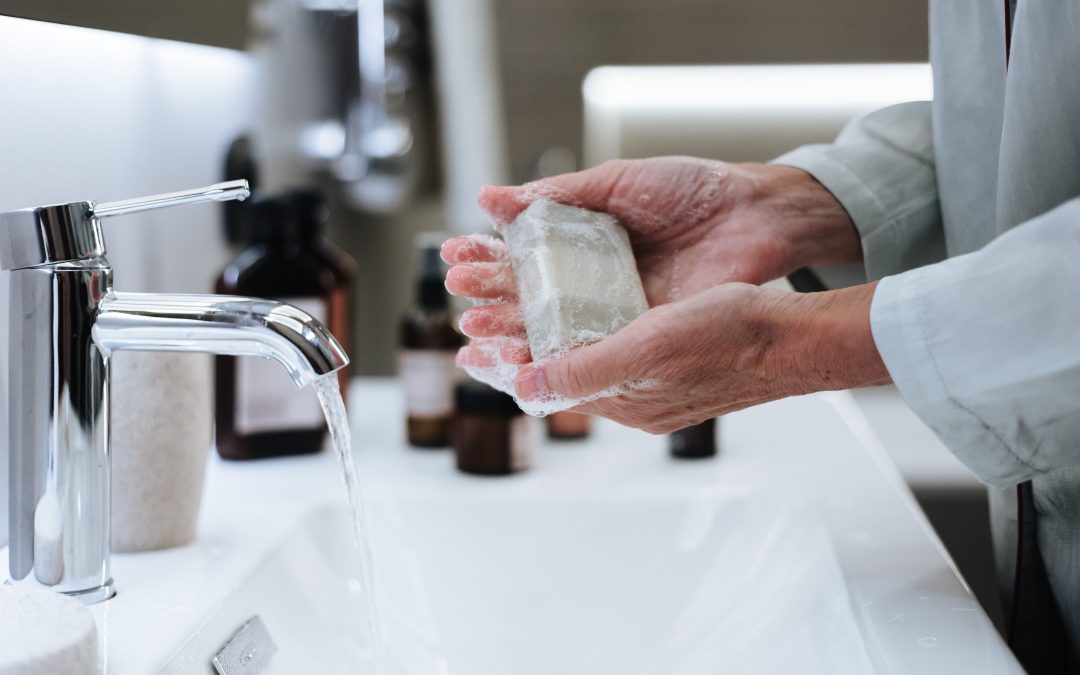
Maintaining high standards of hygiene in commercial washrooms is no longer simply a matter of presentation; it is an essential part of protecting the health, safety, and wellbeing of employees, visitors and customers. Whether you manage an office, healthcare facility, educational establishment, retail premises or hospitality venue, ensuring your washrooms remain clean, compliant and well-stocked demonstrates professionalism while helping to reduce the spread of germs.
Commercial washroom hygiene has become an increasingly important focus for businesses across the UK, particularly as organisations continue to prioritise employee wellbeing and customer confidence. By following best practices and working with experienced hygiene specialists, businesses can create cleaner, safer environments that meet both legal requirements and user expectations.
Why Commercial Washroom Hygiene Matters
Washrooms are among the most frequently used areas in any commercial building. With dozens or even hundreds of people using the facilities each day, bacteria and viruses can spread quickly if proper hygiene measures are not in place.
Poorly maintained washrooms can lead to unpleasant odours, overflowing sanitary waste, empty soap dispensers and unhygienic surfaces. These issues not only create a poor impression of your business but may also contribute to increased sickness absence and lower staff morale.
A clean, well-maintained washroom reflects positively on your organisation. Employees are more likely to feel valued when facilities are regularly serviced, while visitors and customers often associate clean washrooms with high standards throughout the rest of the premises.
Understanding Hygiene Compliance
Businesses across the UK have a legal duty to provide suitable welfare facilities for employees and visitors. Employers must ensure washrooms are clean, adequately ventilated, well-lit and supplied with appropriate handwashing facilities.
Compliance extends beyond simply cleaning toilets. It includes:
- Providing adequate handwashing facilities with soap and drying equipment.
- Maintaining sanitary waste disposal units.
- Ensuring washrooms remain stocked with essential consumables.
- Regular cleaning and disinfection of high-touch surfaces.
- Managing offensive waste in accordance with current regulations.
- Carrying out routine maintenance to prevent faults and hygiene issues.
Failure to maintain these standards could result in complaints, reputational damage and, in some circumstances, regulatory action.
The Importance of Professional Washroom Services
While in-house cleaning teams play an important role, specialist commercial washroom providers offer services designed specifically to maintain hygiene standards and ensure ongoing compliance.
Professional washroom services typically include scheduled servicing, sanitary waste collection, air freshening systems, soap and paper product replenishment, hand dryer maintenance, vending solutions and nappy disposal services.
Working with an experienced provider helps businesses stay ahead of maintenance issues while ensuring waste is collected and disposed of responsibly.
Businesses seeking expert washroom hygiene advice can benefit from tailored solutions that meet the specific requirements of their premises, industry and workforce.
Key Areas to Focus On
Hand Hygiene
Effective handwashing remains one of the simplest and most effective ways to reduce the spread of illness. Washrooms should always provide:
- Liquid or foam soap dispensers
- Reliable hand drying facilities
- Warm running water
- Clearly accessible sinks
Regular checks should ensure dispensers remain full throughout the working day.
Surface Cleaning
Frequently touched surfaces such as door handles, flush buttons, taps, cubicle locks and soap dispensers should be cleaned and disinfected regularly.
Using appropriate cleaning products helps remove harmful bacteria while maintaining a pleasant environment for users.
Sanitary Waste Management
Businesses that provide female washroom facilities are responsible for offering appropriate sanitary waste disposal.
Regular collection by licensed professionals helps maintain hygiene, minimise odours and ensure waste is managed responsibly.
Air Quality
Fresh-smelling washrooms contribute significantly to the overall user experience.
Modern air freshening systems provide continuous fragrance while helping neutralise unpleasant odours, creating a cleaner and more welcoming environment.
Common Washroom Hygiene Mistakes
Many organisations unintentionally overlook aspects of washroom management that can affect hygiene standards.
Some of the most common mistakes include:
- Allowing consumables to run out.
- Infrequent servicing schedules.
- Ignoring unpleasant odours.
- Delaying maintenance repairs.
- Inadequate waste disposal arrangements.
- Relying solely on reactive rather than preventative maintenance.
Regular inspections can identify these issues before they become larger problems.
Creating a Positive Workplace Experience
Clean washrooms contribute directly to employee wellbeing. Staff who have access to hygienic, well-maintained facilities are generally more satisfied with their workplace environment.
Visitors also notice washroom cleanliness. Whether attending meetings, shopping or visiting a healthcare setting, people often judge an organisation by the condition of its facilities.
Investing in professional hygiene services demonstrates a commitment to health, safety and customer care.
Sustainability in Commercial Washrooms
Many businesses are now looking to reduce their environmental impact without compromising hygiene.
Sustainable washroom practices may include:
- Sensor-operated dispensers to reduce waste.
- Environmentally friendly consumables.
- Efficient hand drying systems.
- Water-saving fixtures.
- Responsible waste disposal and recycling where appropriate.
Modern washroom service providers can recommend solutions that balance sustainability with operational efficiency.
Choosing the Right Washroom Hygiene Partner
Selecting the right commercial washroom provider involves more than comparing prices.
Consider factors such as:
- Industry experience.
- Flexible service schedules.
- Reliable customer support.
- Compliance knowledge.
- Quality of products supplied.
- Environmental credentials.
- Transparent service agreements.
An experienced provider will work with your organisation to develop a maintenance schedule that suits your building’s occupancy and usage levels.
For businesses looking for trusted commercial washroom solutions, the team at Hygenie Washrooms provides professional services designed to support hygiene, compliance and workplace wellbeing. Their expertise covers everything from sanitary waste management and consumable supplies to air care systems and ongoing washroom maintenance, helping organisations maintain consistently high standards.
Final Thoughts
Commercial washroom hygiene is an essential part of maintaining a safe, professional and compliant workplace. By implementing effective cleaning routines, ensuring facilities remain fully stocked and partnering with experienced hygiene specialists, businesses can create washrooms that support both health and customer confidence.
Investing in proactive washroom management is not simply about meeting legal obligations; it is about creating an environment where employees, customers and visitors feel comfortable, respected and cared for. As hygiene expectations continue to evolve, organisations that prioritise clean, well-managed washrooms will continue to strengthen their reputation while supporting the wellbeing of everyone who uses their facilities.